Work hairstyles for natural hair focus on clean shape, defined texture, and reliable hold. The goal is to keep hair neat through a full day while respecting your curl or coil pattern. These styles range from loose shapes to protective options that limit daily manipulation. They work across short, medium, and long lengths with small adjustments in parting, tension, and finish. The result feels professional and practical. You get styles that protect your hair, reduce styling time, and still look intentional in different work settings.
Why Work Hairstyles for Natural Hair Stay Polished All Day
Work hairstyles for natural hair work because they control volume and define the hairline without over-manipulating strands. Strategic parts, smoothing at the edges, and consistent moisture help the style hold its shape. This keeps the look neat from morning to evening.
They also support maintenance. Protective styling reduces breakage and limits daily handling. Defined styles last longer with simple refresh steps. This makes them reliable for busy schedules and varied work environments.
8 Work Hairstyles for Natural Hair That Feel Professional and Easy
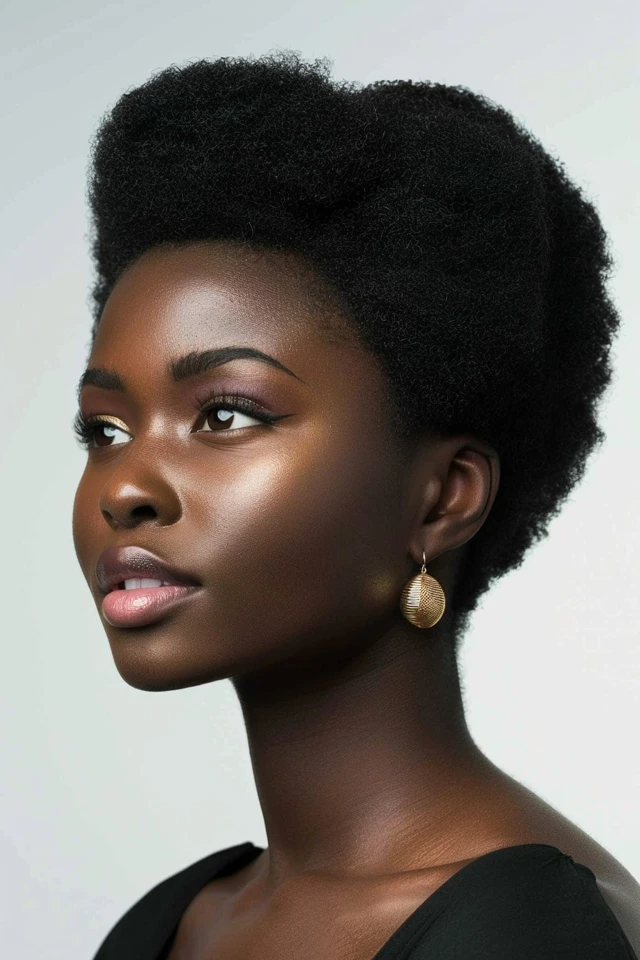
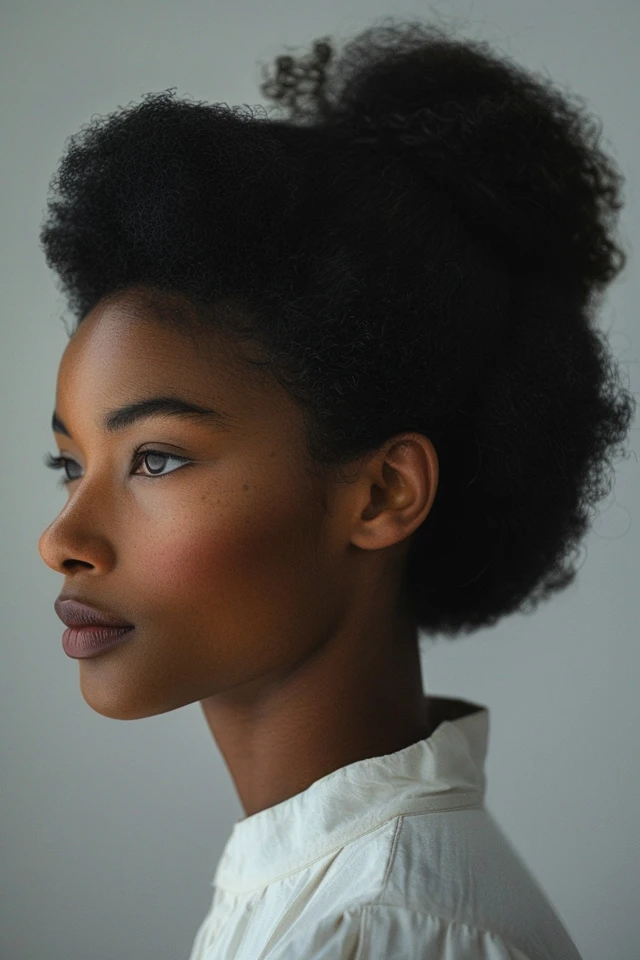
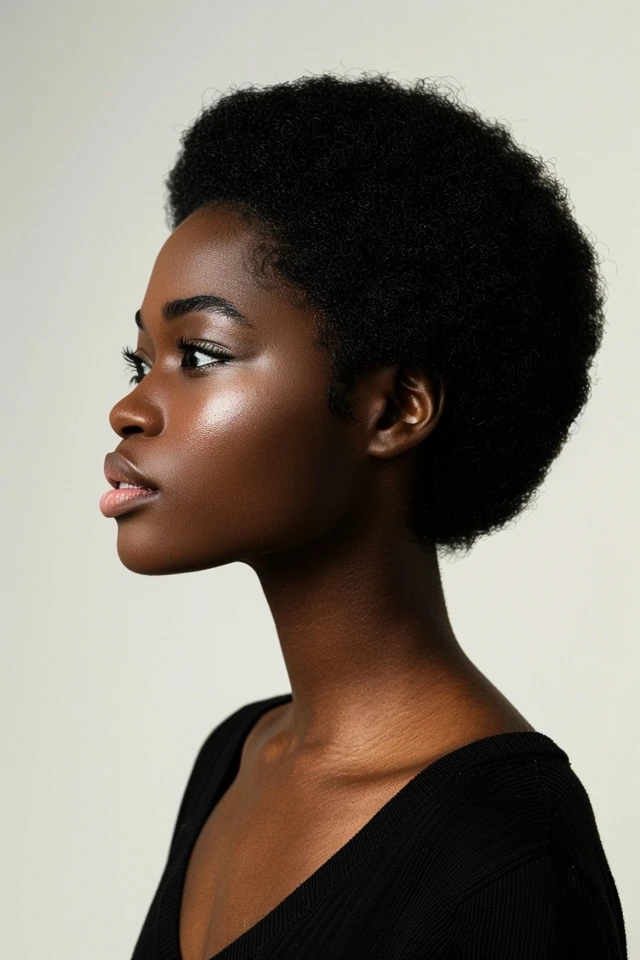
Sleek Low Puff
This style gathers natural hair at the nape into a soft puff with a smooth front. It suits most face shapes because you can adjust the height and width. Works well on curly and coily textures. Use a light gel to smooth the hairline and a soft brush to guide the hair back.
1
2
3
4
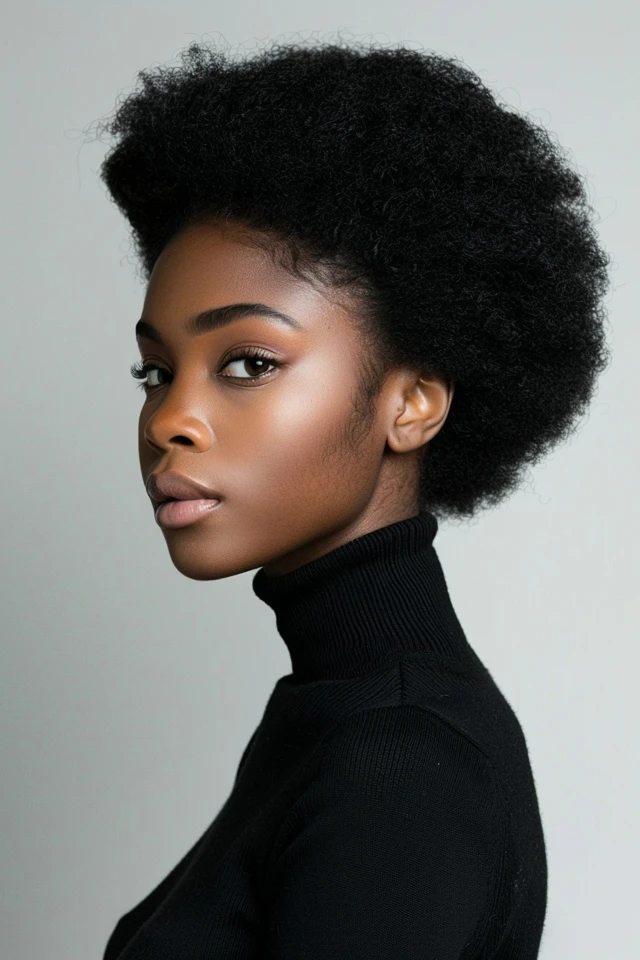
The low placement keeps the look controlled and work-appropriate. It reduces tension on the scalp and stays comfortable through long hours. This style transitions easily from meetings to after-work plans. It’s quick to refresh with a mist and light re-smoothing.
Defined Wash-and-Go
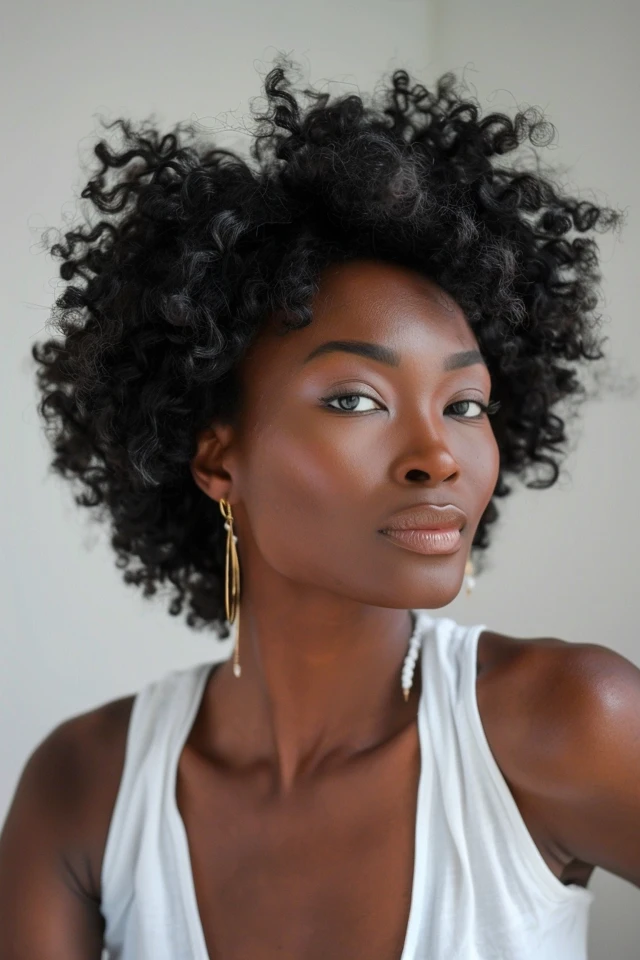
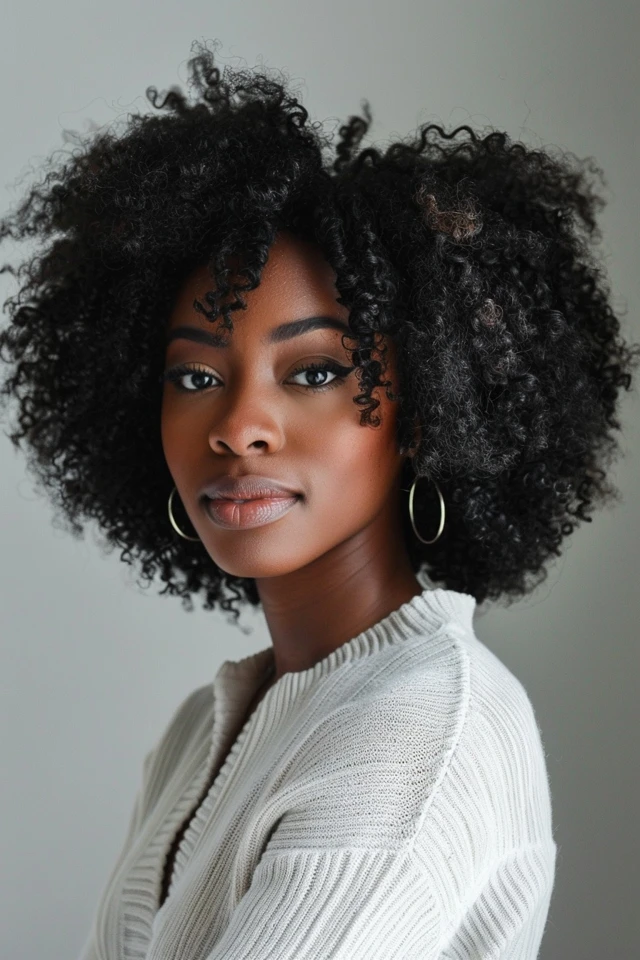
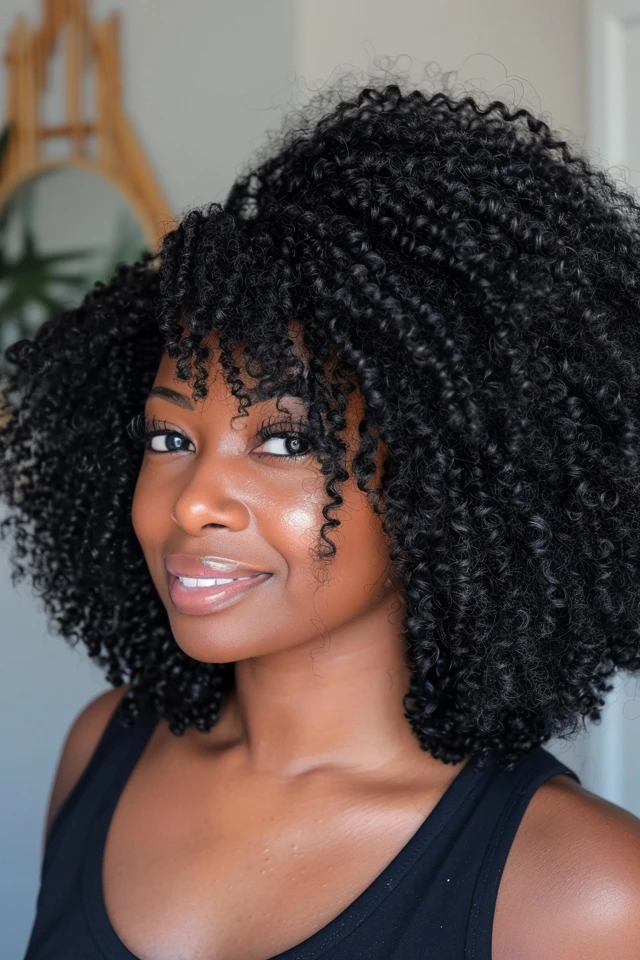
A wash-and-go enhances your natural curl pattern with clear definition. It suits all face shapes since the shape can be rounded or slightly elongated. Best for curly to coily textures. Apply a leave-in conditioner followed by a defining gel, then diffuse or air dry.
1
2
3
4
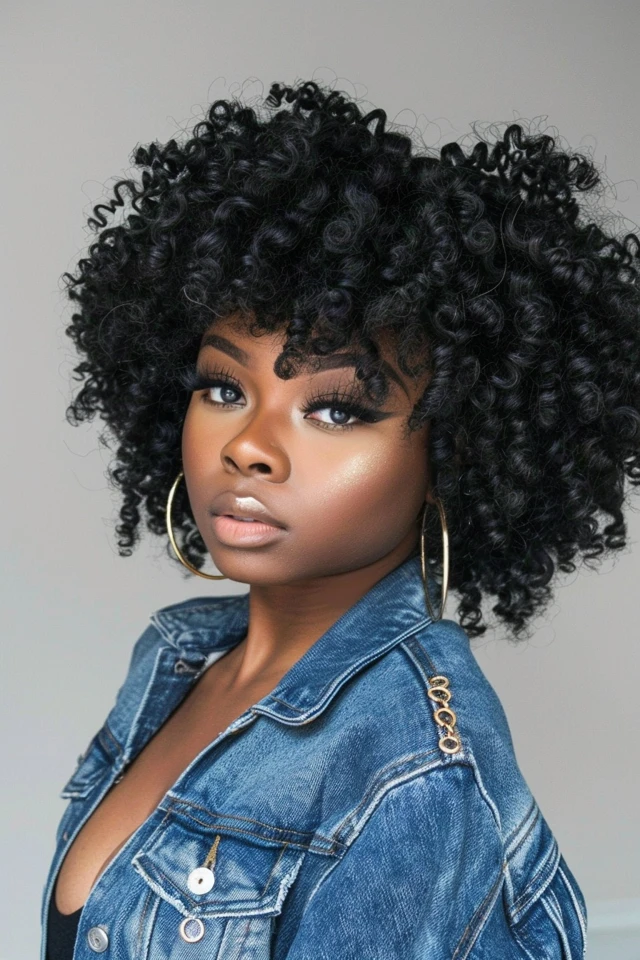
The key is consistent product distribution to avoid frizz. Once set, the curls hold well for several days. It looks polished when the outline is shaped and the ends are hydrated. Ideal for workplaces that allow natural texture with minimal manipulation.
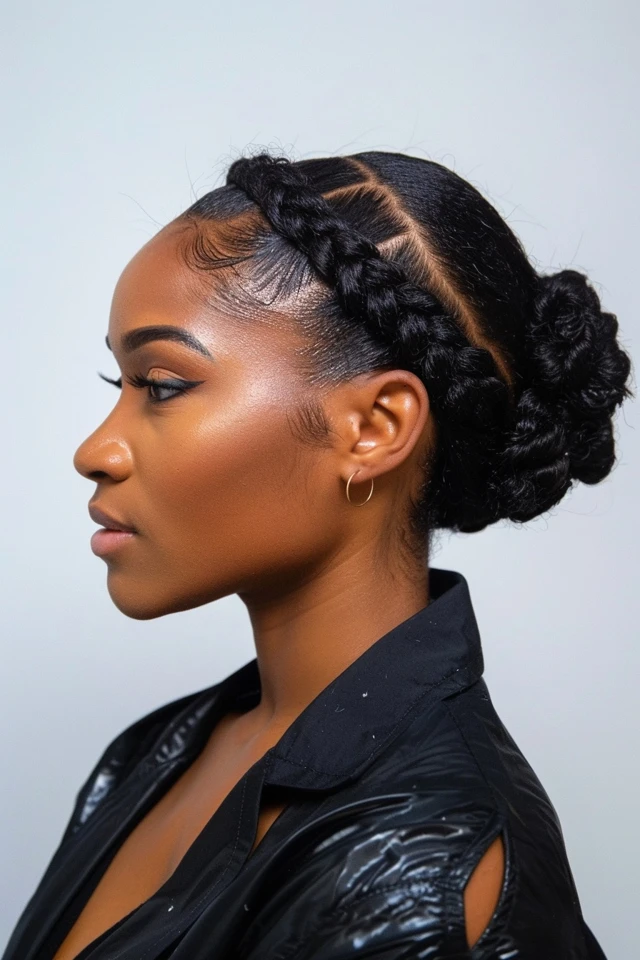
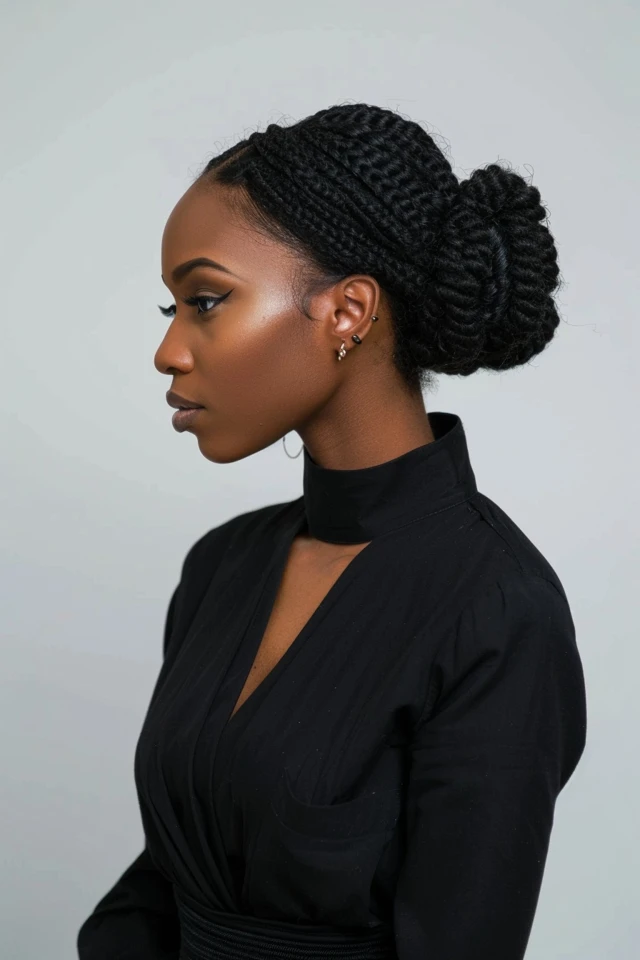
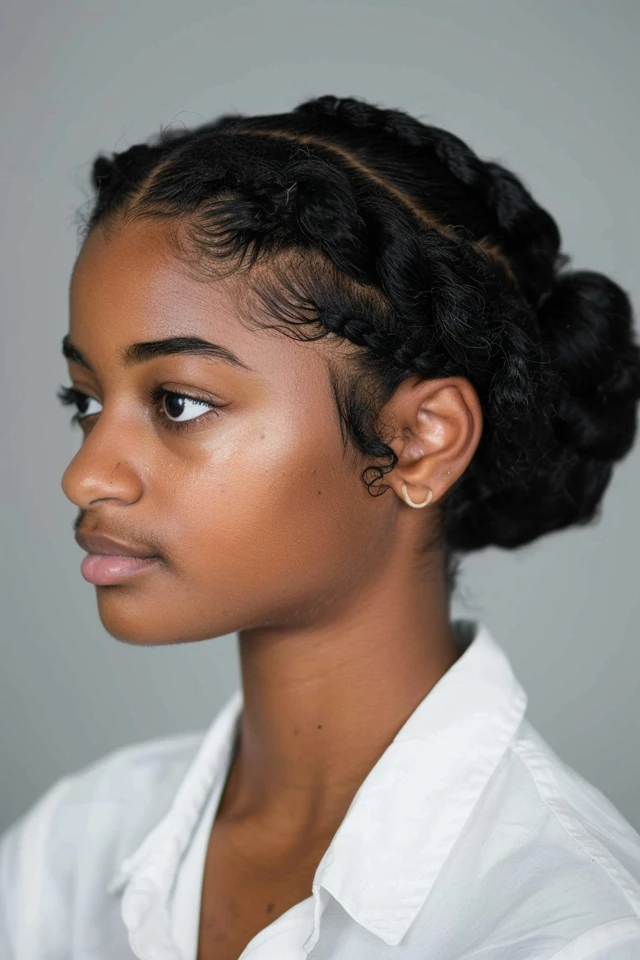
Flat Twists into Low Bun
Flat twists at the front or sides feed into a low bun at the back. It suits most face shapes and works well on coily hair. Use a cream or butter for grip while twisting. Keep parts clean for a neat finish.
1
2
3
4
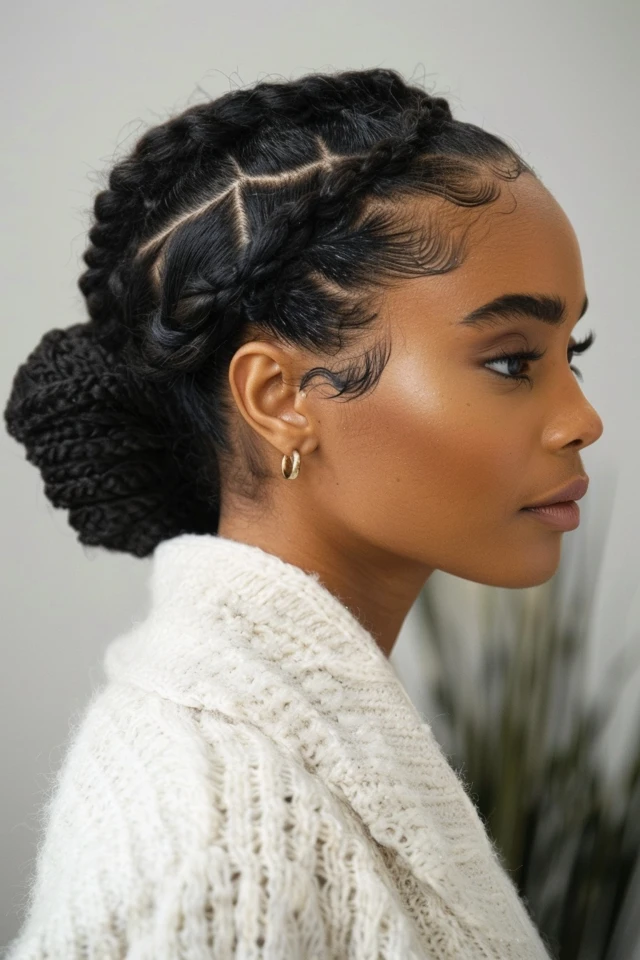
This style protects the ends by tucking them away. It lasts several days with light maintenance. The combination of twists and bun creates structure without looking rigid. It fits formal environments while remaining comfortable and secure.
High Puff with Defined Edges
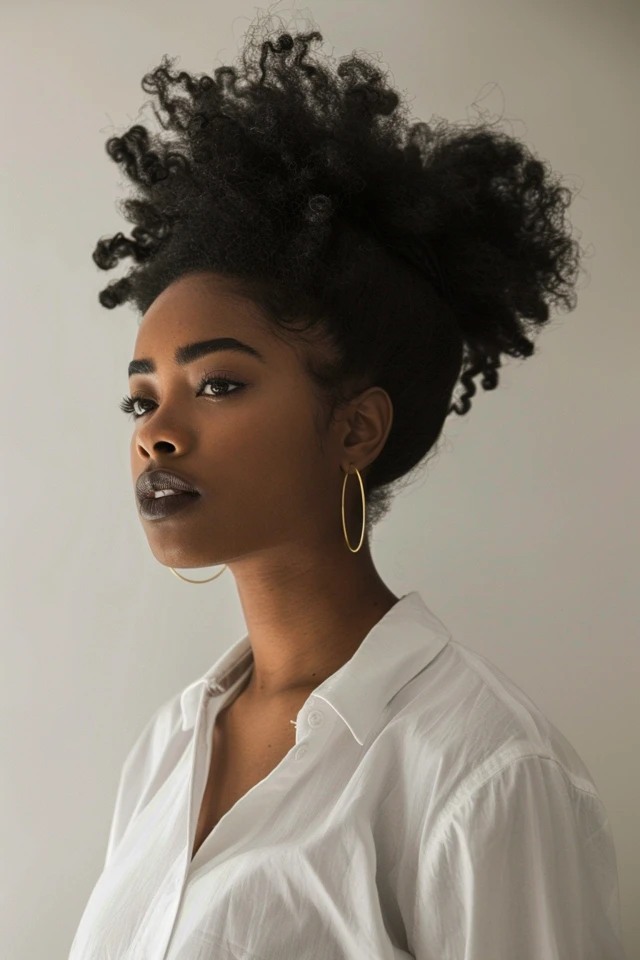
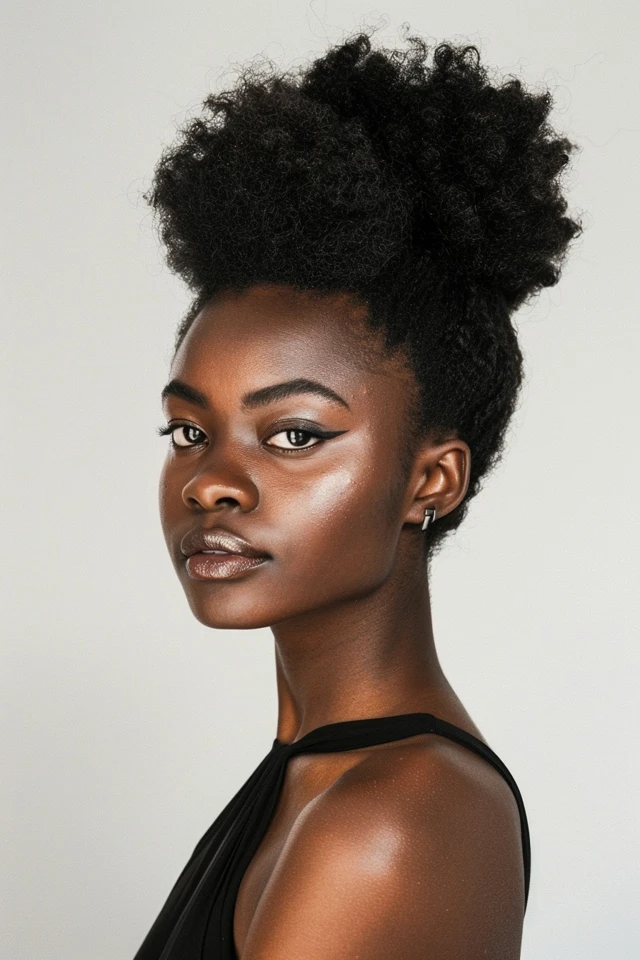
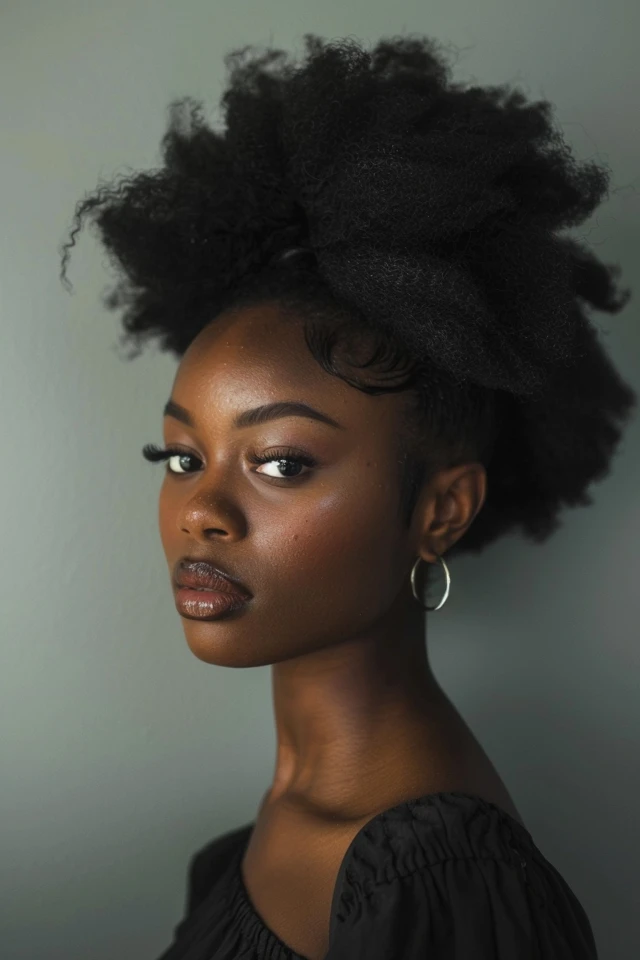
A high puff places volume at the crown while keeping the sides smooth. It suits round faces by adding height. Works best on curly and coily textures. Use a headband or scarf to position the puff and a light gel for edges.
1
2
3
4
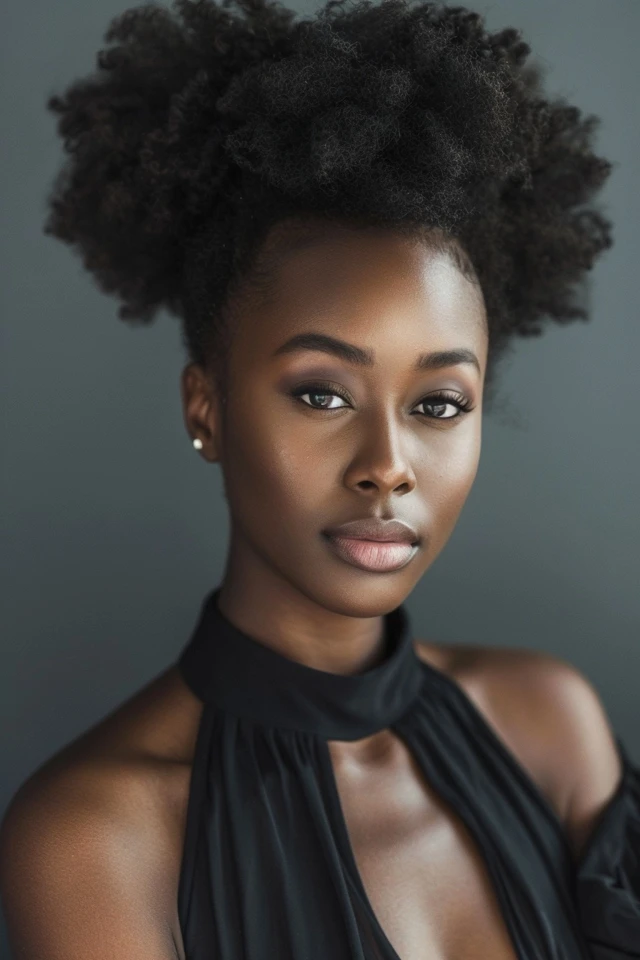
The elevated shape adds presence without extra length. It keeps hair off the neck and face, which helps during busy days. With defined edges and a clean outline, it reads polished. Refresh by re-fluffing the puff and smoothing the front.
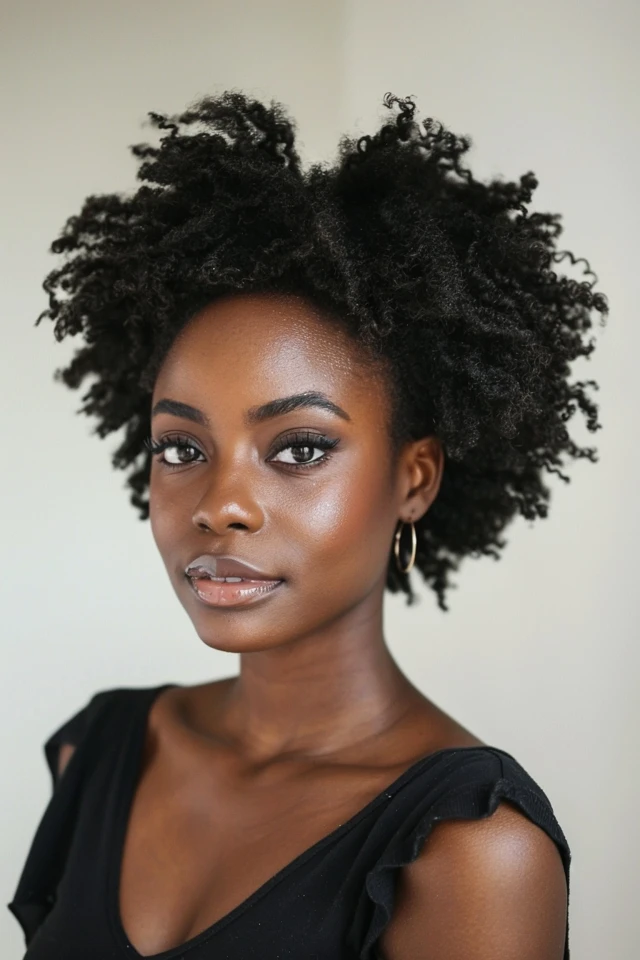
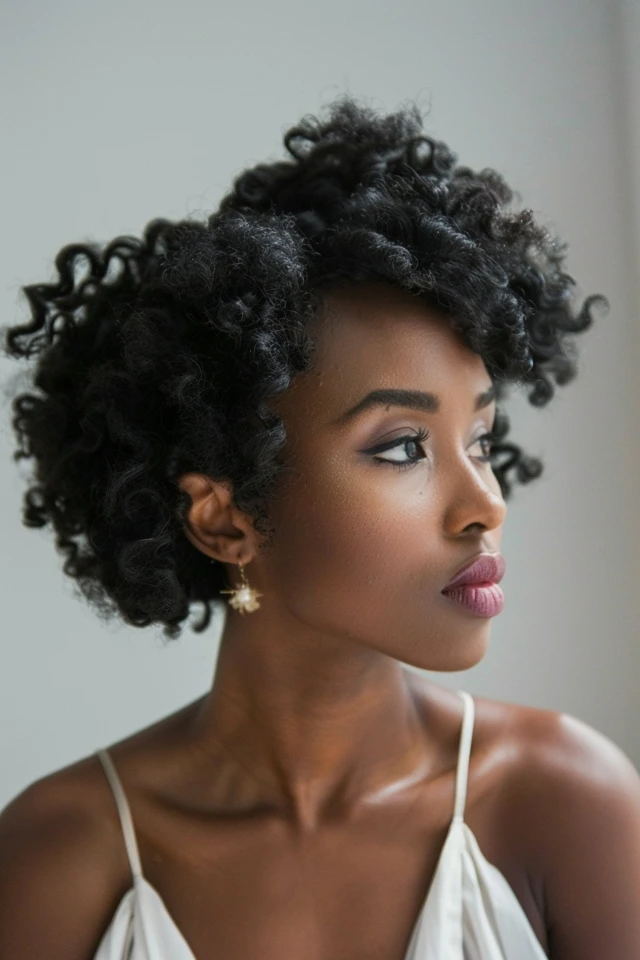
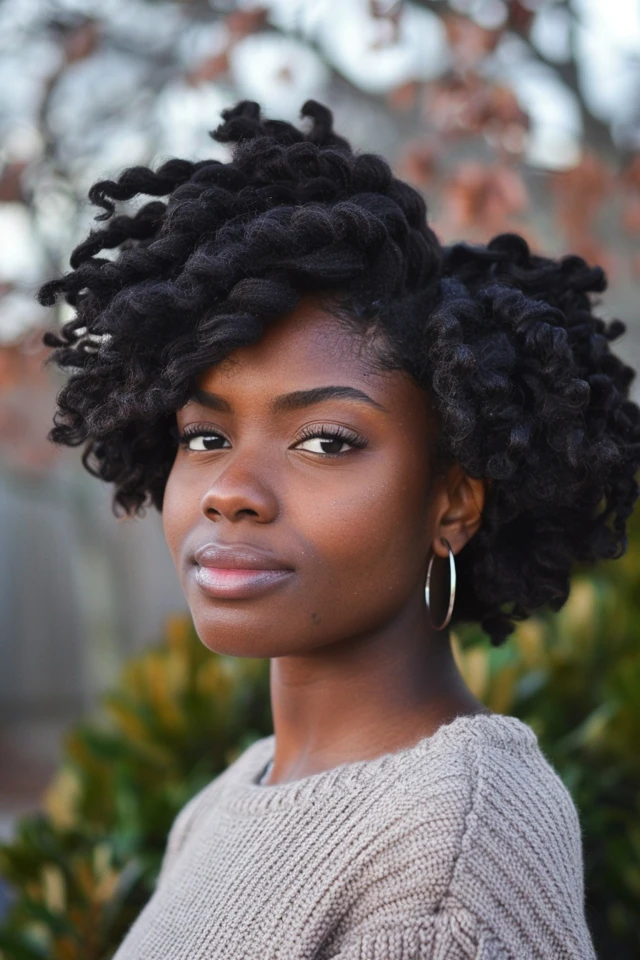
Twist-Out with Side Part
A twist-out creates soft, stretched curls with a defined pattern. A side part adds structure and directs volume. It suits most face shapes. Start with two-strand twists on damp hair using a cream, then unravel once dry.
1
2
3
4
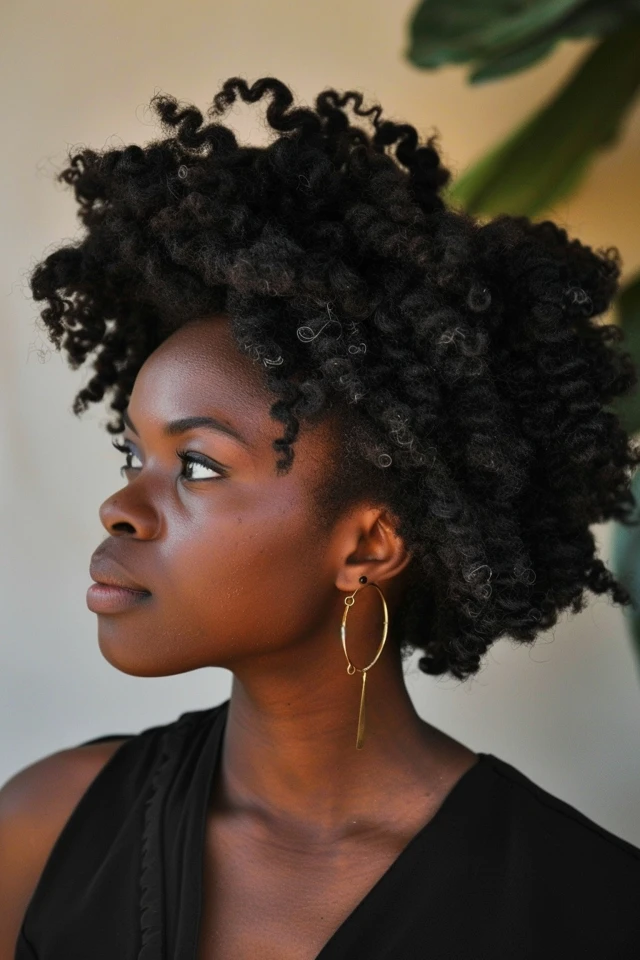
The result is full but controlled texture that lasts several days. The side part prevents a boxy shape and adds movement. It works well for semi-formal settings. Maintain by lightly re-twisting sections at night and separating in the morning.
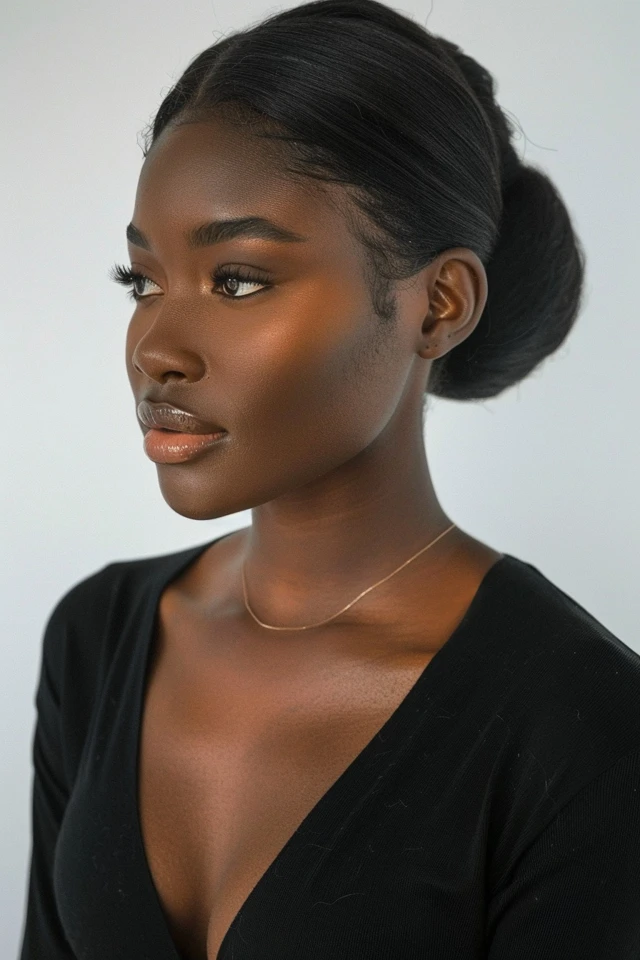
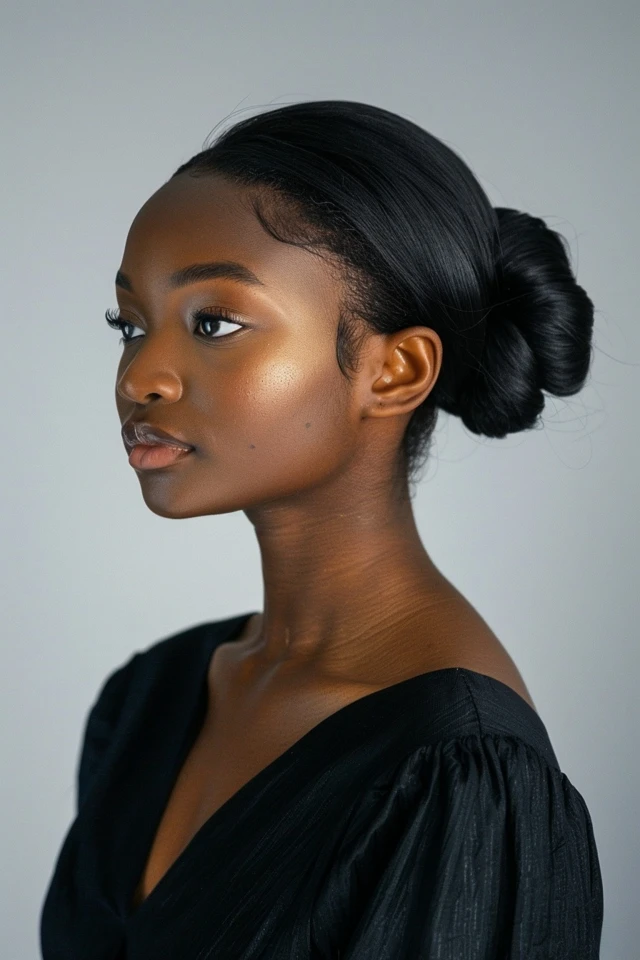
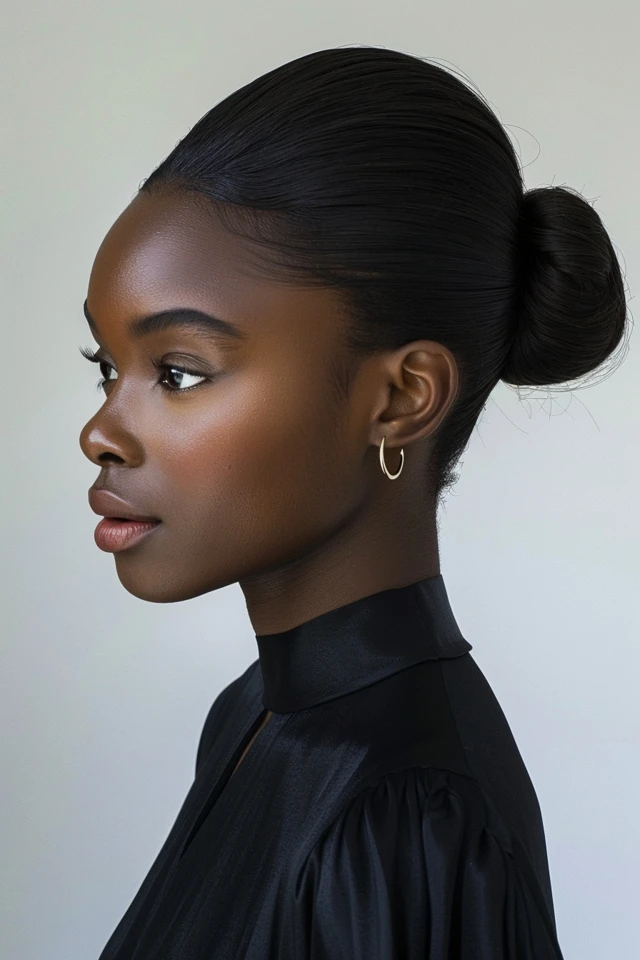
Low Bun with Center Part
A center part paired with a low bun creates a clean, balanced look. It suits oval and heart-shaped faces. Works across curl types once smoothed. Use a light gel and brush to define the part and guide hair back.
1
2
3
4
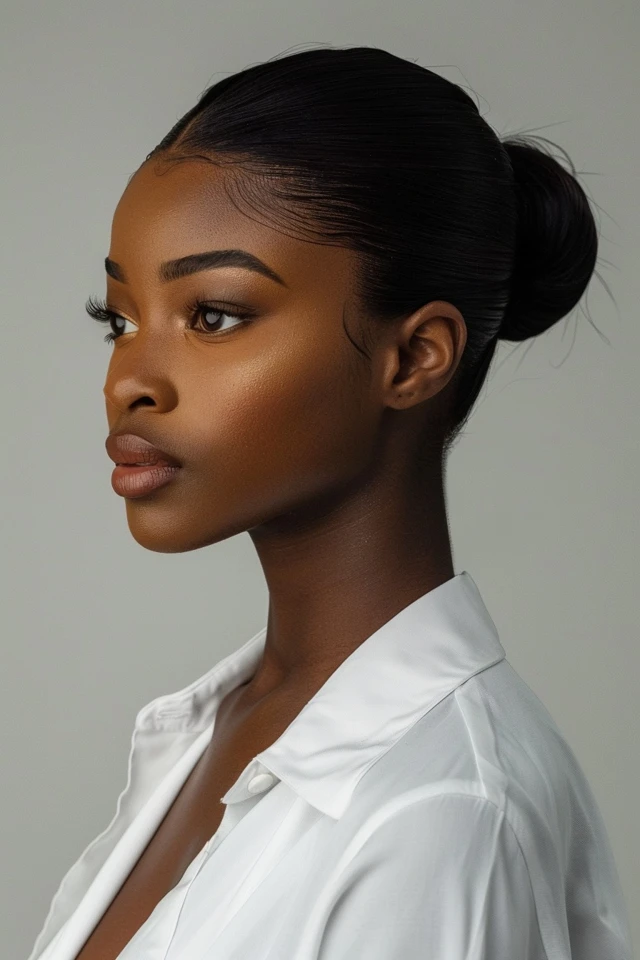
The bun keeps ends protected and the silhouette minimal. It holds well throughout the day with little adjustment. This style fits formal workplaces and presentations. Refresh by re-smoothing the part and rewrapping the bun if needed.
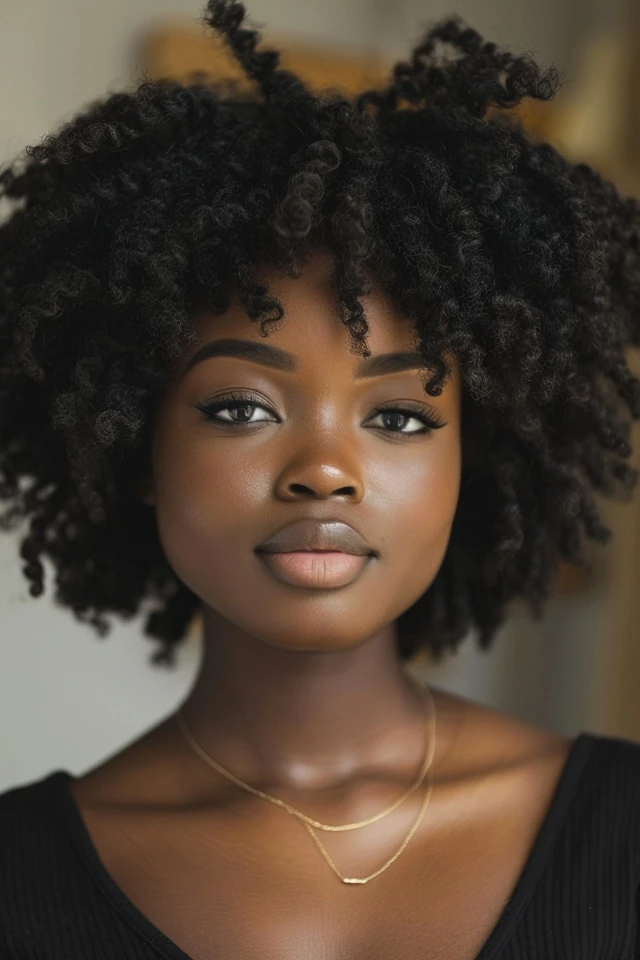
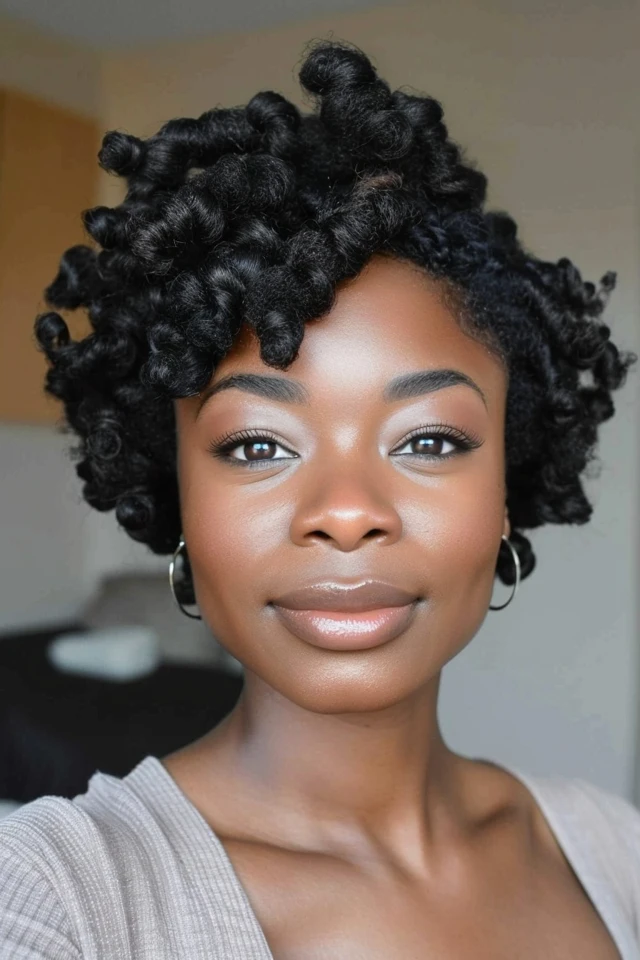
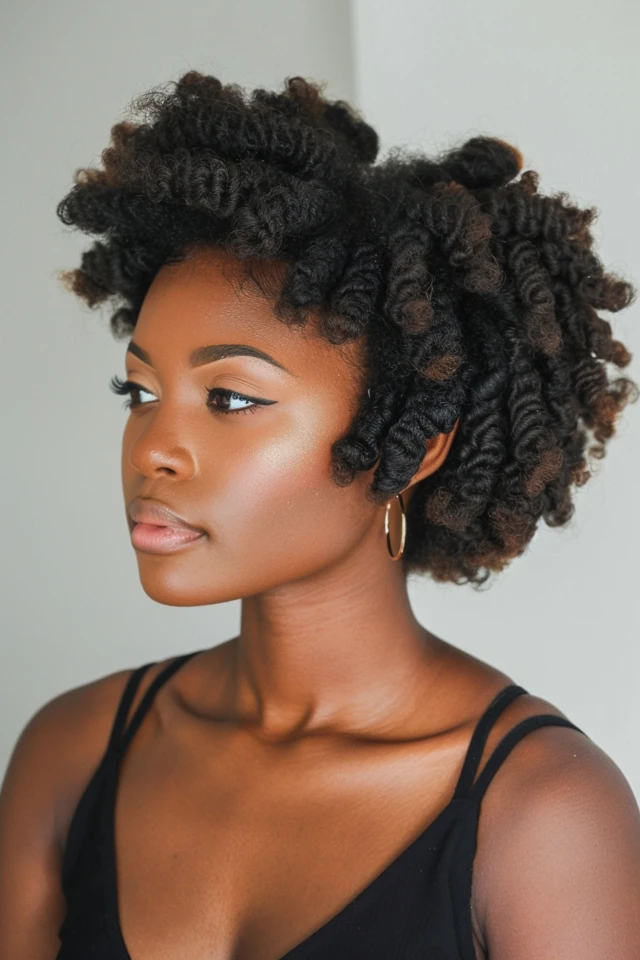
Bantu Knot-Out
Bantu knots set the hair into defined, uniform curls when unraveled. It suits most face shapes and works best on coily textures. Section the hair, twist, and wrap into small knots, then let dry fully before taking down.
1
2
3
4
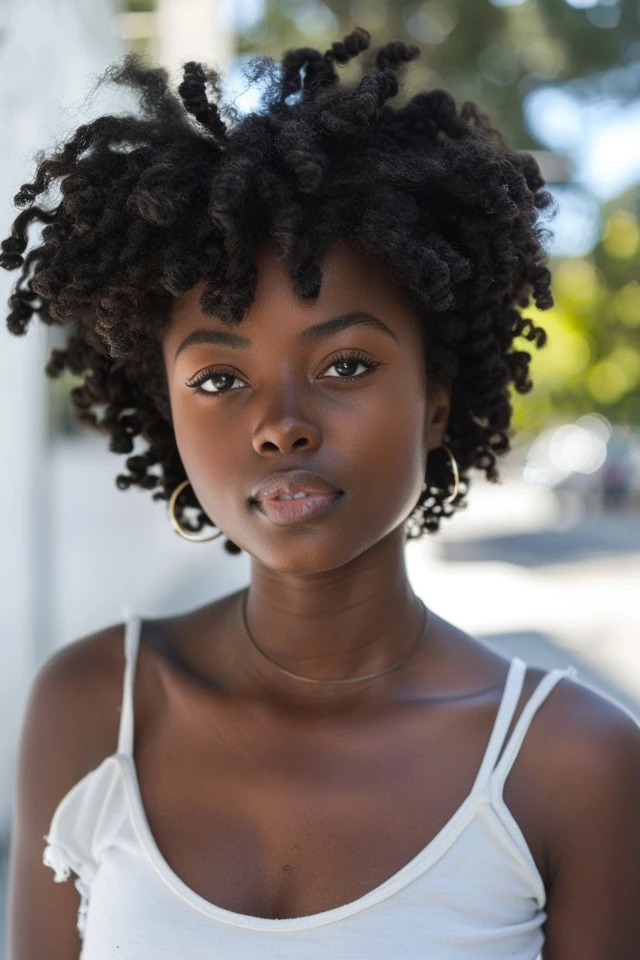
The knot-out gives even definition and controlled volume. It looks intentional and neat when fluffed lightly. This style can last several days with minimal touch-ups. It’s a good option when you want consistent curl definition without daily styling.
Cornrows into Bun
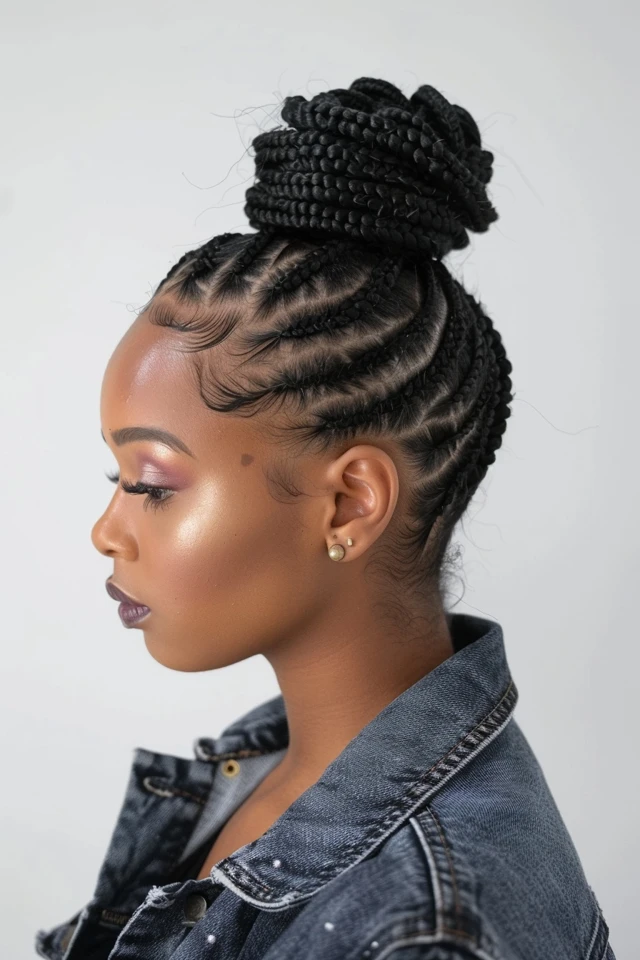
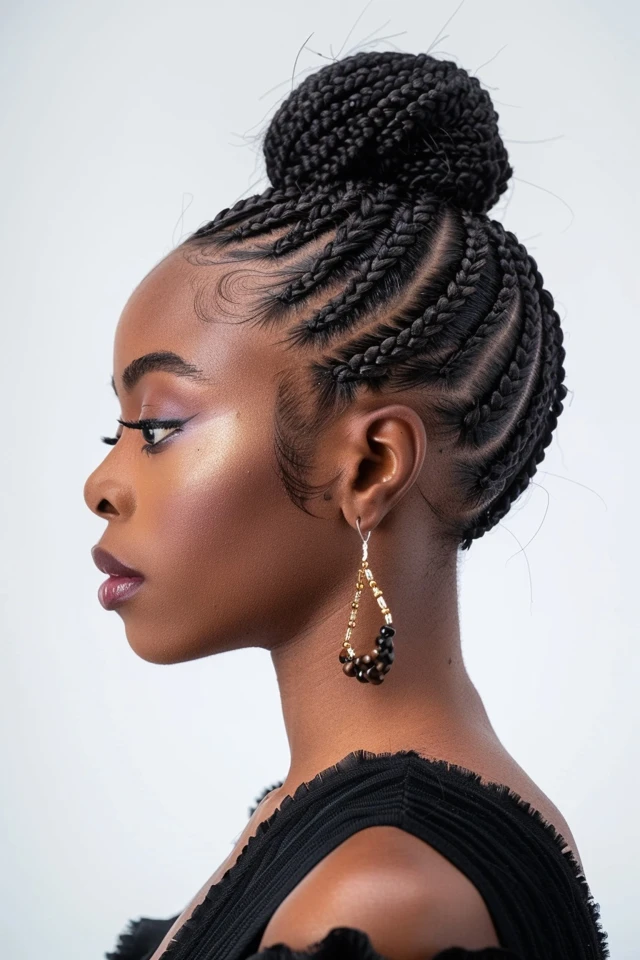
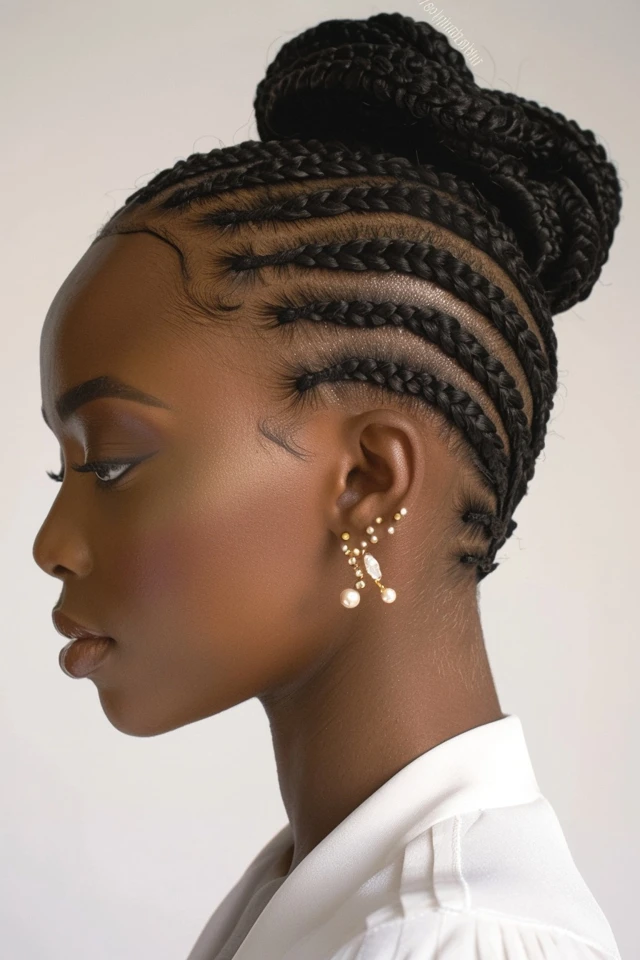
Cornrows braided back into a bun combine structure with protection. It suits most face shapes because the braid pattern can be adjusted. Works best on coily hair. Use a moisturizing cream before braiding for smoothness.
1
2
3
4
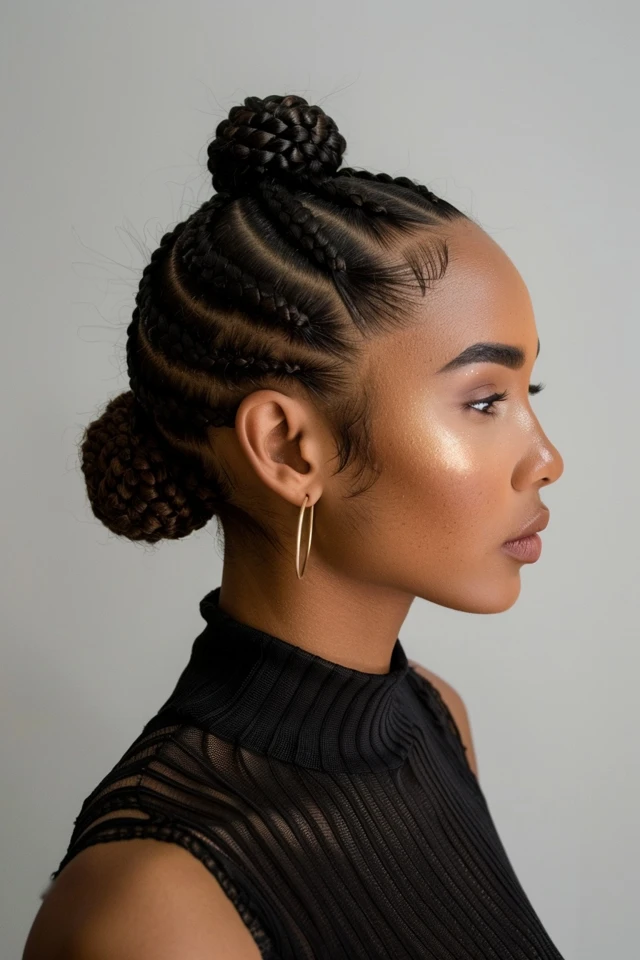
The braids keep hair secure and reduce daily handling. The bun at the back keeps the look tidy and professional. This style can last a week or more with proper care. Maintain by moisturizing the scalp and covering at night.
How to Style Work Hairstyles for Natural Hair
Start with clean, moisturized hair. Use a leave-in conditioner, then layer a cream or gel for hold. Define parts clearly and smooth the hairline with a soft brush. Avoid heavy buildup that dulls definition. Protect styles at night with a satin scarf or bonnet. Refresh with a light mist and minimal product.
Final Thoughts on Work Hairstyles for Natural Hair
Work hairstyles for natural hair balance polish, protection, and ease. They keep your texture visible while maintaining a neat outline that holds through the day. With the right prep, most styles last multiple days and reduce daily effort.
If you want consistency and less manipulation, these options cover different routines and settings. The key question is simple. Do you prefer a defined, worn-out style or a protective look that lasts longer?